

Quick answer: As of November 2026, every drone flown under Part 107 must meet Remote ID under 14 CFR Part 89, whatever it weighs. Fly a Standard Remote ID drone or add a broadcast module, enter its Remote ID serial number in FAADroneZone, and keep it broadcasting from takeoff to shutdown. Modules require visual line of sight.
The security guard at the gate walks over holding his phone. On the screen: your drone's serial number, its altitude, and a pin showing where you are standing. He found you in about ninety seconds. That is Remote ID working exactly as designed.
If you are looking up the Remote ID requirements for commercial drones, the rule itself fits on an index card. The job-site part is where new pilots get surprised. In our post on what to do after passing Part 107, confirming Remote ID was step five. This is the longer version.
What are the Remote ID requirements for commercial drones?
14 CFR 89.11014 CFR 89.115As of Nov 2026Source: FAA, eCFR
Every drone you fly under Part 107 has to comply with Remote ID. 14 CFR Part 89 covers any drone that must be registered, and under Part 107 that is all of them. The under-250-gram registration exemption only applies to recreational flying, per the FAA's registration page. Your palm-sized drone counts once it is earning money.
The FAA's enforcement grace period ended March 16, 2024. As of November 2026, the FAA's Remote ID page lists three ways to comply.
| Option | How it works | Line of sight |
|---|---|---|
| Standard Remote ID drone | Broadcast built in by the manufacturer. The default for most current work drones. | Part 89 adds no extra limit. Part 107 rules still apply. |
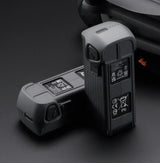
| Broadcast module | Add-on unit that gives an older drone a broadcast. | Required for the entire flight. |
| FAA-Recognized Identification Area (FRIA) | Fly without Remote ID inside a recognized area, usually a club field or school site. | Required, and you must stay inside the boundary. |
FRIAs rarely line up with a client's address, so for job-site work you are choosing between the first two. Either way, the drone or module needs a serial number on an FAA-accepted declaration of compliance, and the broadcast cannot be switched off.
What does Remote ID broadcast on a job site?
14 CFR 89.30514 CFR 89.315Source: eCFR
It broadcasts who the drone is, where it is, and where you are. The two compliance paths send slightly different data.
| Broadcast data | Standard Remote ID | Broadcast module |
|---|---|---|
| Identity | Drone serial number or session ID | Module serial number |
| Drone position, altitude, speed | Yes | Yes |
| Pilot location | Live control station position | Takeoff point only |
| Emergency status | Yes | No |
| Time mark | Yes | Yes |
Most phones within range can pick up the signal with a free receiver app. Only the FAA can connect a serial number to your name, and it shares that with law enforcement and security agencies on request, according to the FAA's summary of the rule. Session IDs, which would keep your serial number private, are still listed as a future option.
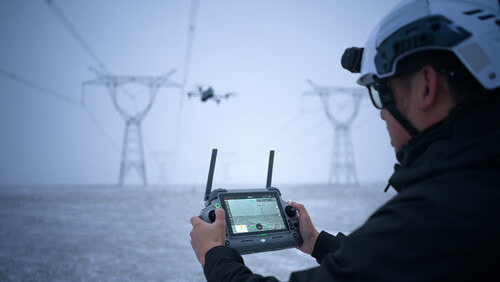
So assume site security can see you. Tell your site contact where you will launch before the props spin. People whose job is noticing strangers appreciate the heads-up, and you skip the walk across the lot.
How do you register a Remote ID drone for Part 107?
As of Nov 2026Source: FAA
Register each aircraft on its own in FAADroneZone and enter its Remote ID serial number. As of November 2026, it costs $5 per drone and lasts three years.
- 1Check the declaration of compliance listConfirm the FAA has accepted your drone or module model before you fly it for work.
- 2Add the device in FAADroneZonePart 107 dashboard, Manage Device Inventory, then answer Yes to the Remote ID question.
- 3Enter the Remote ID serial numberFor a module, also list the make and model of the drone it rides on.
- 4Label the aircraftRegistration number on the outside before the first flight.
- 5Test the broadcastPower up and watch for it on a receiver app on a second phone.
One catch for growing fleets. Recreational flyers can move a module between drones in the same inventory. The FAA says Part 107 pilots register each drone separately, so if a module moves to a different aircraft, update the registration before that aircraft flies.
What happens if Remote ID stops broadcasting mid-flight?
14 CFR 89.11014 CFR 89.115Source: eCFR
You land as soon as practicable. That applies to Standard Remote ID drones and modules alike, and module users also have to confirm the module works before takeoff. A module that died in the truck overnight does not count.
Take it seriously. In its February 2026 enforcement update, the FAA noted it can fine up to $75,000 per violation and suspend or revoke certificates. In April 2026 it launched DETER, a faster resolution track for less serious violations by eligible first-time operators who accept liability and give up their appeal. It speeds up enforcement. It does not loosen any rule.
Do you need Remote ID near critical infrastructure?
PendingAs of Nov 2026Source: Federal Register
You already need it everywhere, and a proposed rule would make it your entry pass at sensitive sites. In May 2026 the FAA proposed a rule letting critical infrastructure operators request drone flight restrictions over their facilities. Under the proposal, Part 107 pilots allowed inside a standard restriction would have to broadcast Remote ID, notify the facility, and transit in the shortest practicable time. The facilities would run Remote ID receivers.
Comments closed August 5, 2026. As of November 2026, no final rule has been published. If you fly substations, water plants, dams, or telecom sites, watch this one. Once restrictions exist, the FAA says it will publish them through its UAS Data Delivery System, so checking them will become part of preflight, the same way LAANC is today.
Which Remote ID setup makes sense for job-site work?
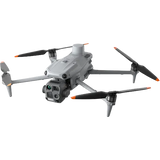
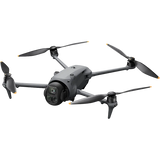
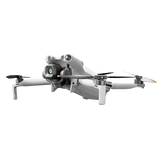
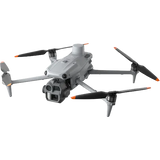
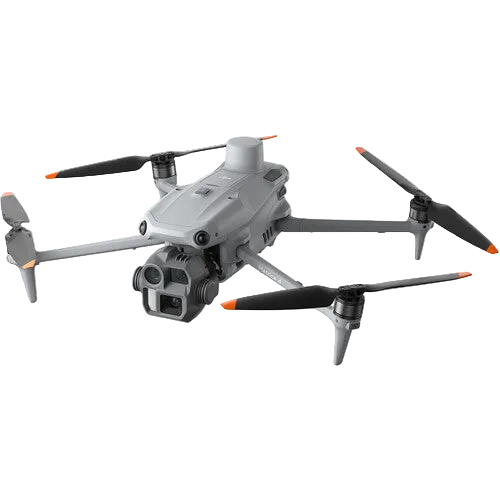
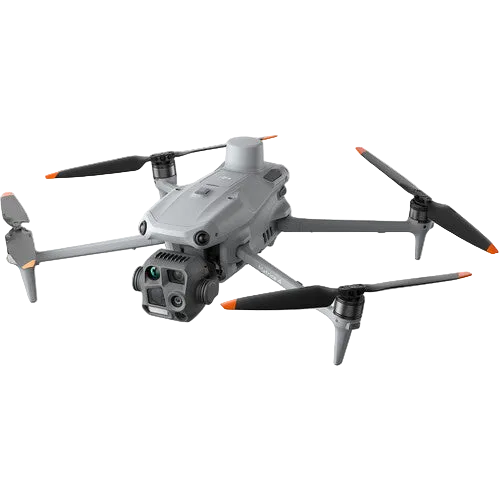
For most new commercial pilots, a drone with Standard Remote ID built in. Modules are a fine way to keep a good older drone working, but they tie you to visual line of sight for the whole flight. If you plan to apply for a beyond visual line of sight waiver later, a module will not get you there.
Standard Remote ID also keeps your inventory simple: one aircraft, one serial number, one registration. If you are shopping our enterprise drones, ask us and we will check a model's status on the FAA's list with you before you buy.
Buy a drone that is ready to broadcast.
Browse our enterprise drones or call our team at 888-560-8737 and tell us what your job sites look like. We will help you match the aircraft to the work.
Frequently asked questions
Do drones under 250 grams need Remote ID for commercial work?
Yes. Under Part 107 every drone must be registered regardless of weight, and registered drones must meet Remote ID.
Can people see where I am standing when I fly?
With Standard Remote ID, yes. It broadcasts the control station location to receivers in range. A broadcast module shares the takeoff point instead.
Can I fly beyond visual line of sight with a broadcast module?
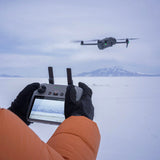
No. Part 89 requires you to keep a module-equipped drone in visual line of sight for the entire flight.
What should I do if Remote ID fails during a flight?
Land as soon as practicable, then fix the problem before you fly that aircraft again.
Is Remote ID the same as LAANC?
No. Remote ID broadcasts your drone's identity and location. LAANC grants authorization to fly in controlled airspace. Many job sites need both.

Leave a comment
This site is protected by hCaptcha and the hCaptcha Privacy Policy and Terms of Service apply.