


Quick answer: A drone as first responder program launches drones from fixed sites to 911 calls so a remote pilot sees the scene before units arrive. As of November 2026, agencies fly DFR under an FAA Part 91 public aircraft waiver of 14 CFR 91.113 or a Part 107 public safety waiver. Part 108 is still pending.
On October 22, 2018, Chula Vista police launched a drone off the roof of their headquarters, a short drive from our shop, and sent it to a 911 call. By 2019 the department had FAA approval to fly up to 3 miles beyond visual line of sight from its launch site. That was the first drone as first responder program, and for years it was the exception.
Not anymore. If your chief, fire marshal, or emergency manager just asked you to "look into DFR," this is the short version of what we tell agencies who call us.
New to the commercial side of this? Our series opener on how to become a commercial drone pilot covers the basics first.
What is a drone as first responder program?
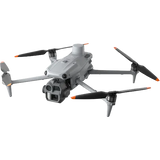
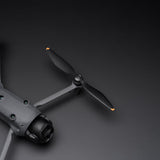
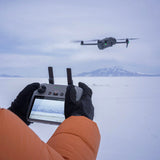
It is a program where drones launch from fixed sites, often rooftop docks, to emergency calls and stream live video to dispatch and responding units. The drone gets there first, the pilot describes what's happening, and officers or firefighters roll in knowing more than "caller reports a disturbance."
The payoff is information. In an FAA blog post, Pearland, Texas police reported their drones reach scenes 3 to 6 minutes ahead of officers and resolve roughly a quarter of the calls they fly without sending a car. Your numbers will differ. Your city council will still ask for them, so plan to track them from day one.
Which FAA approval does a DFR program need?
14 CFR 91.11314 CFR 107.31As of Nov 2026Source: FAA
You need permission to fly beyond visual line of sight, and the route depends on whether your agency qualifies as a public aircraft operator. The FAA's Public Safety Toolkit lays out two paths, and as of November 2026 the FAA says there is no separate DFR rulebook. DFR is a way of using drones, flown under the same rules as everything else.
| Question | Part 91 public aircraft waiver | Part 107 public safety waiver |
|---|---|---|
| Who uses it | Government agencies that meet the public aircraft test | Agencies flying as civil operators, plus groups that don't qualify as public aircraft |
| Typical applicants | City police, county sheriffs, municipal fire | Volunteer fire departments, nonprofit search and rescue |
| How you apply | FAA Form 7711-2 and supporting documents by email to the FAA | Waiver request through the FAA's Aviation Integrated Safety (AIS) Services portal |
| Pilot certificate | Agency sets and certifies its own pilot standards | Part 107 remote pilot certificate |
If you aren't sure which side of that table you're on, the toolkit has a flow chart. Read it with your city attorney, because "public aircraft" is a legal status, not a vibe.
How fast does the FAA approve DFR waivers now?
As of Nov 2026Source: FAA, FOIA records via EFF
Much faster than it used to. In April 2025 the FAA replaced custom safety cases with a standardized public safety waiver that agencies request using pre-built checklists. According to records the Electronic Frontier Foundation obtained, more than 1,000 agencies received approvals between April 2025 and February 2026. The FAA had issued 976 in the seven years before that.
Per DroneXL's review of the FAA's guidance, the standard approval comes in two flavors:
- Shielded operations at or below 200 feet, staying close to buildings and other obstacles. Most agencies pick this one.
- Operations up to 400 feet, for agencies that also run an FAA-accepted detect and avoid system to spot crewed aircraft.
Approvals run 48 months. Standard Remote ID is expected unless the FAA says otherwise in writing, and the streamlined version assumes one pilot per drone. One pilot running several drones at once still gets a case-by-case review. Our post on what the FAA wants to see in a waiver request covers how to write the parts the checklist can't.
Will Part 108 change drone as first responder programs?
PendingAs of Nov 2026Source: Federal Register
- Proposed ruleAug 7, 2025
- Public commentsClosed
- Final review at OIRASince Jul 10, 2026
- Final rule publishedFAA hopes: end of 2026
Eventually, but nobody should wait for it. Part 108 is the FAA's proposed rule to make beyond visual line of sight flying routine instead of waiver-by-waiver. As of mid-November 2026, the final rule had spent about four months at the White House Office of Information and Regulatory Affairs, with no publication date announced.
Until a final rule is published and in effect, the waiver is the way in. Our Part 108 explainer tracks the details.
How do you start a drone as first responder program?
Start with policy and people, then hardware, then paperwork. Agencies that buy the drone first tend to spend month two writing the policy they needed in month one.
- 1Write the use policy and tell the publicWhat you'll fly, when, what you record, and how long you keep it. Check state and local notice rules.
- 2Confirm your FAA pathwayPublic aircraft under Part 91, or civil under Part 107. Get legal sign-off.
- 3Map launch sites against call dataChula Vista found one site covering about 30% of the city handled about 70% of priority calls.
- 4Choose aircraft and docksThermal, zoom, flight time, and a spotlight or speaker if your calls need them.
- 5Apply for the waiver and train pilotsUse the FAA checklist for your altitude tier. Train on your real launch sites.
- 6Track and publish resultsResponse times, calls cleared, flights logged. Councils renew what they can measure.
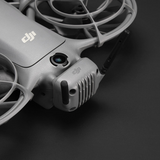
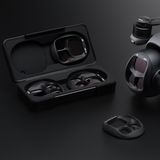
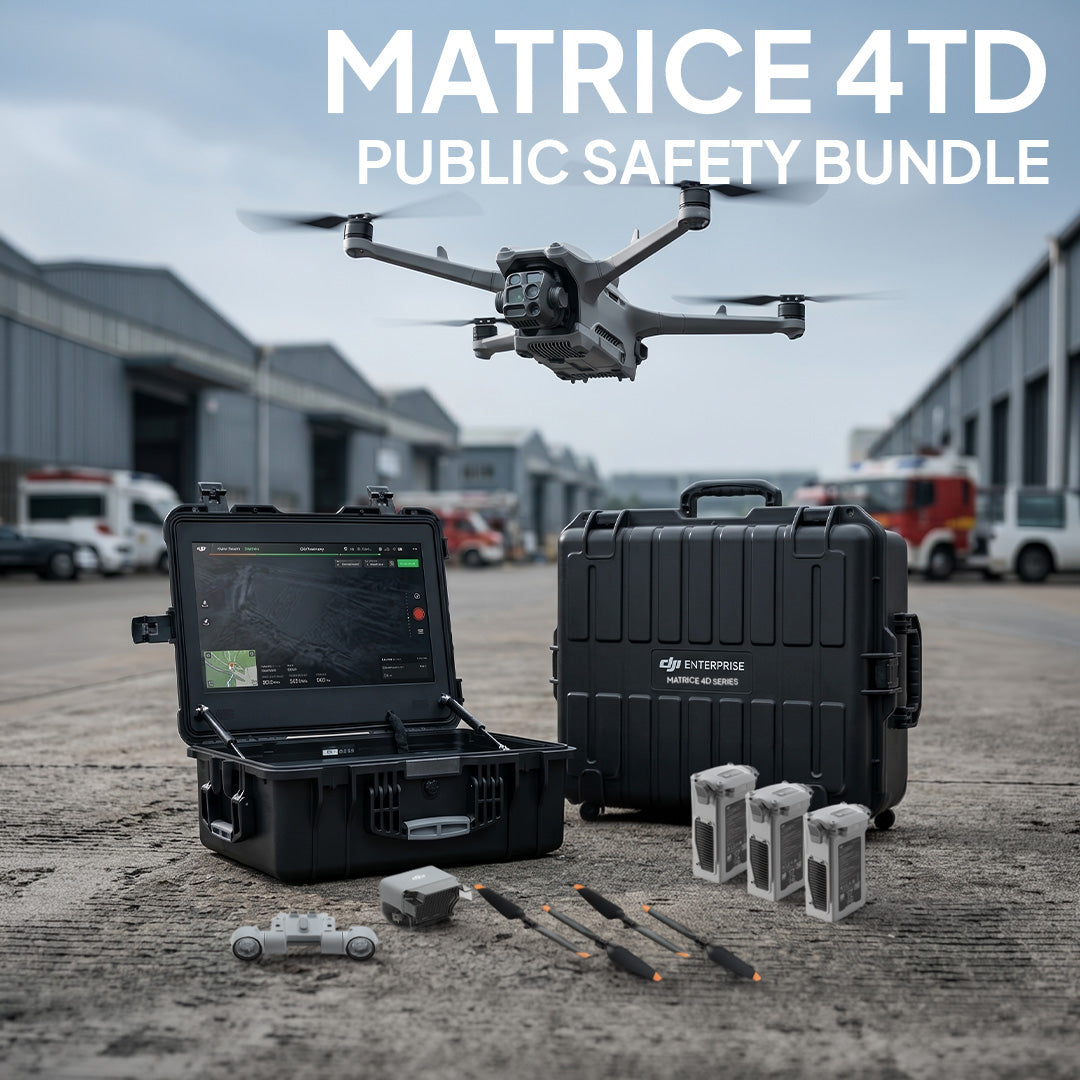
On hardware: most DFR fleets run thermal and zoom on the same aircraft, because half the calls happen after dark. Browse our enterprise drones to see what's currently in stock and eligible to sell.
In December 2025 the FCC added foreign-produced drones and critical components to its Covered List, which blocks new equipment authorizations for new models. Drones that already have FCC authorization can still be bought and flown. Exemptions for Blue UAS Cleared List and Buy American-qualified drones run to January 1, 2028, and the FCC keeps granting individual exemptions, most recently on November 18, 2026. A separate FCC proposal, PS Docket 26-189, would end new imports and sales of previously authorized foreign-made thermal drones and docks if adopted; it was still open as of November 2026, so factor it into fleet planning. Our FCC Covered List post has the details.
How do agencies pay for a DFR program?
Usually from more than one pot. The aircraft is the smallest line item once you add docks, software, connectivity, training hours, and staff time in the flight room. Many agencies phase it: one launch site, a year of data, then the case for site two. Our drone financing options can spread equipment cost across budget cycles so you aren't waiting a full fiscal year to start the pilot program.
Planning a DFR pilot program?
Tell us your call volume and coverage area, and we'll help you size the fleet. Browse our enterprise drones or call our team at 888-560-8737.
Frequently asked questions
Do DFR pilots need a Part 107 certificate?
Not always. Agencies flying as public aircraft under Part 91 can set and certify their own pilot standards. Agencies flying under Part 107 need certificated remote pilots.
How long is an FAA DFR waiver valid?
The FAA's streamlined public safety approval runs 48 months, so the first approvals from spring 2025 expire around spring 2029.
Can volunteer fire departments run a DFR program?
Usually through a Part 107 public safety waiver, since volunteer and nonprofit groups often don't meet the public aircraft test for Part 91.
How high can DFR drones fly?
Most approvals allow shielded flights at or below 200 feet. Agencies with an FAA-accepted detect and avoid system can be approved for up to 400 feet.
Do we have to wait for Part 108 to start DFR?
No. As of November 2026, Part 108 is still pending, and agencies launch DFR programs today under existing FAA waivers.

Leave a comment
This site is protected by hCaptcha and the hCaptcha Privacy Policy and Terms of Service apply.