
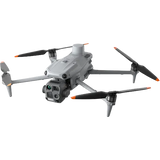
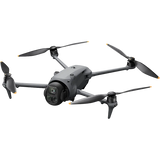
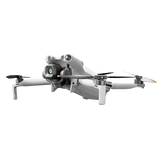
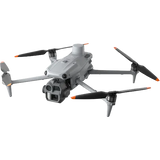
Quick answer: The most common thermal drone uses are solar farm inspections, roof moisture surveys, building envelope checks, electrical and utility inspections, search and rescue, firefighting support, and agriculture. A thermal camera shows surface temperature differences, not what's inside. Each job works only under specific conditions, and knowing them is what clients pay for.
Picture a new thermal drone over a flat roof at noon in July. The whole screen is one orange smear. The pilot assumes the camera is broken. The camera is fine. The sun just heated every square foot of that roof to the same temperature, so there's nothing to see. If you're researching thermal drone uses before you buy, that's the first lesson: thermal is about timing as much as hardware.
This post covers where thermal earns its keep, what conditions each job needs, and what to buy first. If you're new to the series, start with how to become a commercial drone pilot.
What are the most common thermal drone uses?
Solar, roofing, buildings, utilities, public safety, and agriculture make up most paid thermal work. Every one of them depends on a temperature difference that only shows up under the right conditions.
| Use | What you're looking for | When it works best |
|---|---|---|
| Solar farm inspection | Hot cells, failed bypass diodes, dead strings | Strong sun (at least 600 W/m²), mostly clear sky |
| Roof moisture survey | Wet insulation holding heat longer than dry insulation | A few hours after sunset following a sunny day |
| Building envelope | Missing insulation, air leaks, thermal bridging | About 18°F (10°C) inside/outside difference for 3+ hours |
| Electrical and utility | Overheating connections, transformers, insulators | While the equipment is carrying load |
| Search and rescue | Body heat against a cooler background | Night and cool early mornings |
| Agriculture | Irrigation gaps, livestock counts | Same time of day each flight, stable weather |
Notice the third column. Most of the skill in thermal work lives there.
What does a thermal camera actually measure?
It measures infrared energy coming off surfaces and turns it into an image of apparent temperature. It doesn't see through walls. It sees the outside of the wall, which is warmer or cooler because of what's behind it.
Surfaces also lie a little. Glass acts like a mirror in infrared, so you'll see reflected sky instead of the room behind the window. Shiny metal does the same thing. That's why a bright spot on a polished electrical panel might just be the sun bouncing off it. A future post in this series covers radiometric thermal, which is the type that puts an actual temperature on every pixel.
How do drone solar farm inspections work?
IEC 62446-3As of Nov 2026Source: Teledyne FLIR
You fly the array in strong midday sun and look for modules running hotter than their neighbors. The industry reference is IEC 62446-3, the outdoor thermography standard for PV plants. As summarized in Teledyne FLIR's solar inspection guide, it calls for irradiance of at least 600 W/m², no more than 2/8 cloud cover, and wind under roughly 17 mph.
The same guide suggests a ground sample distance of about 3 cm per pixel for detailed inspections. That's roughly a 5-by-5 pixel square on each cell. Bring a calibrated anemometer and an irradiance meter, and log both. Asset owners will ask, and "it felt sunny" won't hold up.
Why are roof and building thermal scans done at night?
14 CFR 107.29As of Nov 2026Source: eCFR
Because the useful temperature differences show up after the sun stops heating everything. Roofs soak up heat all day. After sunset, wet insulation releases it more slowly than dry insulation, so the wet areas stay warm for several hours, according to IIBEC. The common standard here is ASTM C1153. Wall and envelope scans need a steady inside/outside difference, and the Infraspection Institute recommends at least 18°F (10°C) held for 3 hours before you start.
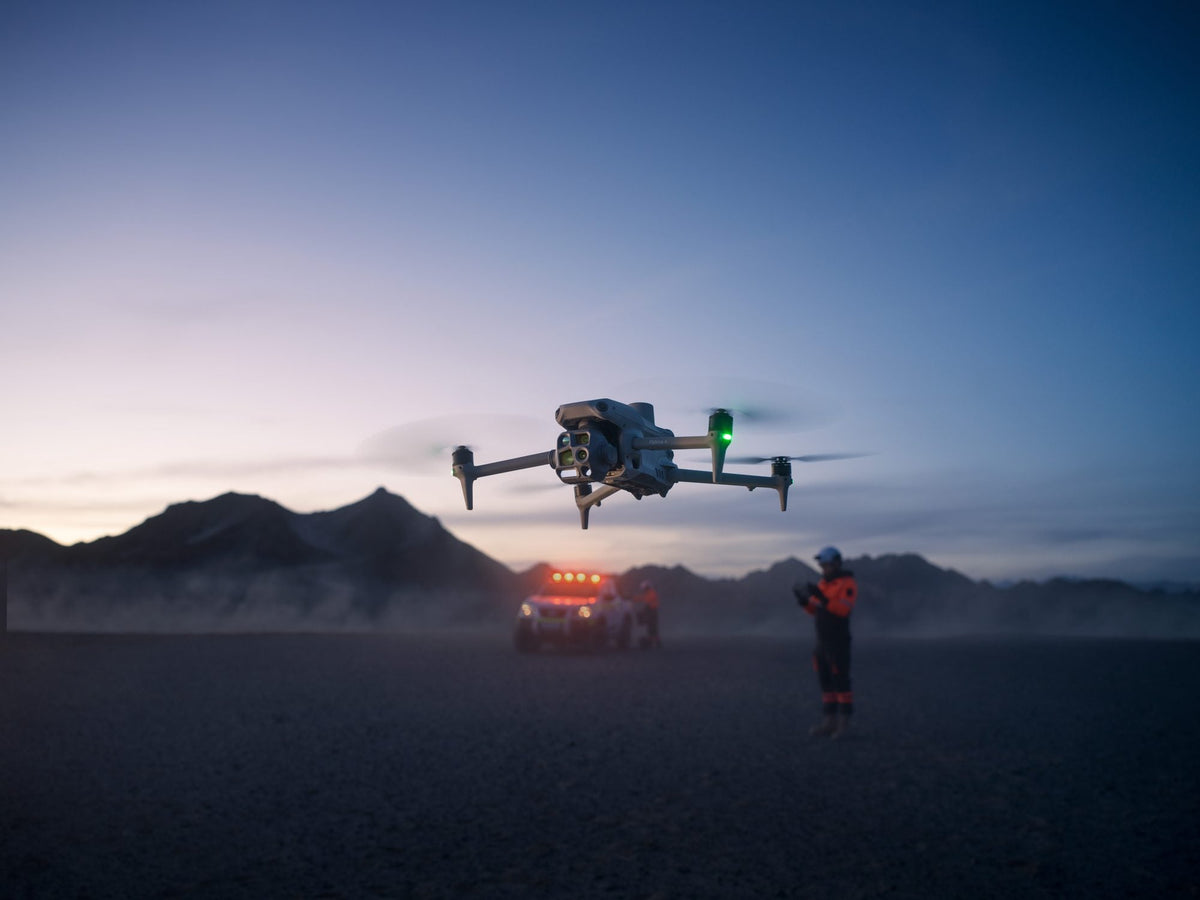
Night flying under Part 107 doesn't need a waiver, but it has two conditions. As of November 2026, 14 CFR 107.29 requires that you passed the current knowledge test or completed recurrent training after April 6, 2021, and that your drone shows anti-collision lighting visible for at least 3 statute miles. The same lighting rule applies during civil twilight. Our post on what to do after passing Part 107 covers the rest of the setup.
Can you fly a thermal drone at a wildfire?
As of Nov 2026Source: USDA Forest Service
No, not unless you're part of the official response. Firefighting aircraft fly low, and one unauthorized drone can force crews to ground them. The USDA Forest Service says unauthorized flights over wildfires may break the law whether or not a temporary flight restriction is posted, and that people who endanger aircraft or interfere with suppression can face civil penalties up to $25,000 and possible criminal charges.
Fire departments and public safety agencies do use thermal for hot spots and searches. They do it inside the incident's air operations, not from the shoulder of the highway.
Which thermal drone should you start with?
Start with the job you'll quote most. Solar and roof clients usually expect radiometric data in the report. Search and public safety teams care more about a zoom camera next to the thermal sensor and a quick launch. Higher thermal resolution lets you fly higher for the same detail, which means fewer batteries per site.
On December 22, 2025, the FCC added foreign-produced drones and critical components to its Covered List. Its fact sheet says this doesn't prohibit the import, sale, or use of models it already authorized. A separate rule took effect October 13, 2026, blocking new authorizations for logic-bearing hardware from Covered List companies. The FCC has also been granting conditional exemptions for specific models, so check a model's status before you buy. Status as of November 2026; our FCC Covered List post has the details.
Our thermal imaging drones are grouped so you can compare sensors side by side. We'll also tell you when a cheaper one covers the job.
Do you need a certification for thermal drone work?
The FAA only requires your Part 107 certificate. Clients are another story. Solar owners, roofing consultants, and insurers often expect a thermography certification, usually Level I, because reading the image is a different skill from flying the drone. IIBEC's authors put it plainly: you need training in both piloting and infrared.
On roofs, findings also get confirmed with test cuts. Your thermal image tells the roofer where to cut, not what to bill. That keeps you honest and keeps the client happy.
Tell us the first thermal job you want to quote.
Browse our thermal imaging drones or call our team at 888-560-8737. We'll match the sensor to the work.
Frequently asked questions
Can a thermal drone see through walls?
No. It reads the surface temperature of the wall. Hidden problems show up only when they change that surface temperature.
What is the best time of day for a roof thermal scan?
A few hours after sunset following a sunny day, when wet insulation is still holding heat and dry areas have cooled.
How much sun do you need for a solar panel thermal inspection?
IEC 62446-3 calls for irradiance of at least 600 W/m², with no more than 2/8 cloud cover.
Do I need a waiver to fly thermal missions at night?
No. Under 14 CFR 107.29 you need current Part 107 training and anti-collision lighting visible for 3 statute miles.
Can I fly my thermal drone over a wildfire to help?
No. Unless you're part of the official response, stay away. Unauthorized drones can ground firefighting aircraft and carry penalties up to $25,000.

Leave a comment
This site is protected by hCaptcha and the hCaptcha Privacy Policy and Terms of Service apply.