


Quick answer: An agricultural drone spraying business needs a Part 107 certificate, an FAA exemption, a Part 137 agricultural aircraft operator certificate, and a state pesticide applicator license. File the exemption petition at least 120 days before you need it. Crop scouting needs only Part 107, so many new operators start there and add spraying later.
A grower calls in March. He wants 400 acres of orchard sprayed for mites, next week. You have a Part 107 certificate, a good camera drone, and a strong feeling this is your break. The catch: you can't legally spray a single acre for him yet, and the fix takes months. If you're looking into starting an agricultural drone spraying business, that gap is the first thing to plan around.
New to commercial work? Start with how to become a commercial drone pilot.
What do you need to start an agricultural drone spraying business?
14 CFR Part 13714 CFR 107.36As of Nov 2026Source: FAA
You need four things: a Remote Pilot Certificate, an FAA exemption, a Part 137 operator certificate, and a state applicator license. Part 107 alone doesn't cover spraying, because the FAA treats pesticides, fertilizers, and even disinfectants dispensed from the air as Part 137 work.
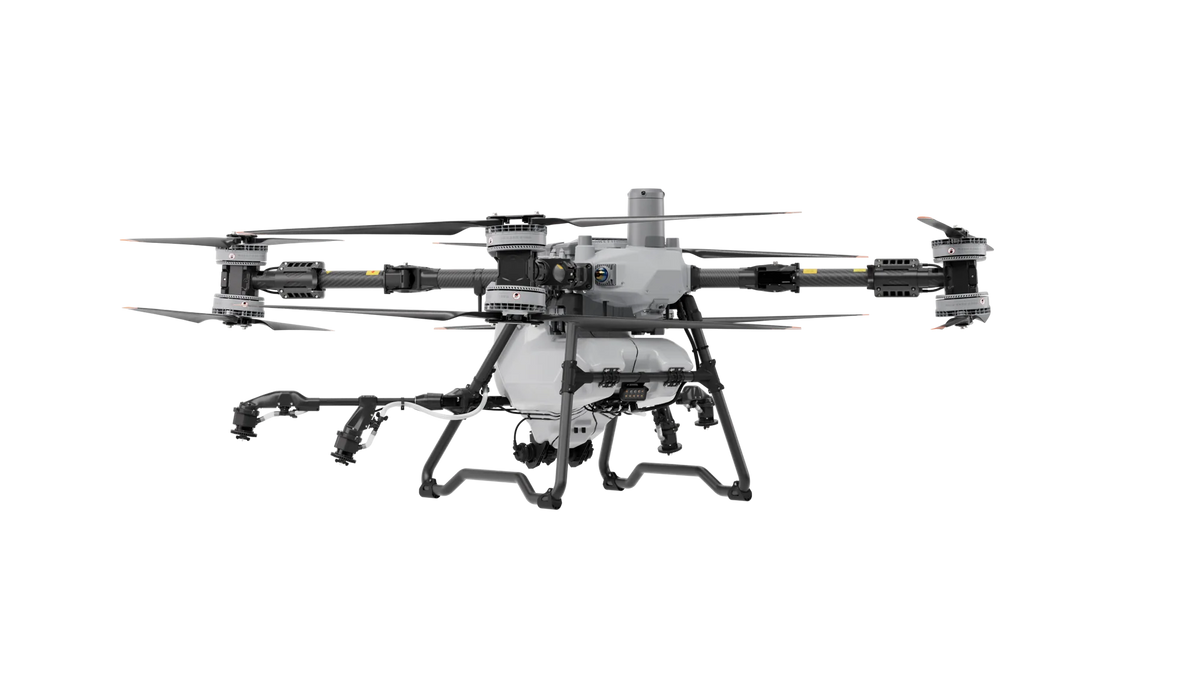
As of October 2026, the FAA's dispensing chemicals page splits operators at 55 pounds, counting what's in the tank. Under 55 pounds, you fly under Part 107 with exemptions from 107.36 and parts of Part 137, and register for an FA number in FAADroneZone. At 55 pounds or more, you fly under Parts 91 and 137 with a longer list of exemptions and an N-number. A full-size spray drone with a full tank is well past 55 pounds, so plan for that track.
The paperwork, in order- 1Earn your Remote Pilot CertificatePass the Part 107 test, then apply in IACRA.
- 2Register each aircraftFA number under 55 pounds, N-number at 55 pounds or more.
- 3Petition for an exemptionFiled on regulations.gov through shell docket FAA-2007-0001, at least 120 days before you need it.
- 4Apply for your Part 137 certificateForm 8710-3, sent to the FAA after your exemption number is issued.
- 5Get licensed by your stateA commercial applicator license with an aerial category. Details vary by state.
One thing that trips people up: this exemption is not a Part 107 waiver. Different process, different office. Our post on Part 107 waiver requirements covers the waiver side.
States add their own layer. Here in California, UC Agriculture and Natural Resources notes that drone applicators need an Unmanned Apprentice Pilot certificate from the Department of Pesticide Regulation, plus yearly registration with the agricultural commissioner in each county where they spray. Call your state's pesticide regulatory agency before you buy anything, and read each product label's aerial application directions with them.
What's the difference between drone crop scouting and spraying?
Scouting collects data. Spraying applies product. That one difference changes the paperwork, the aircraft, and how long it takes to get paid.
| Crop scouting | Spraying | |
|---|---|---|
| FAA approval | Part 107 certificate and registration | Part 107, an exemption, and a Part 137 certificate |
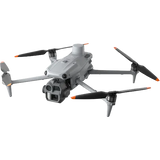
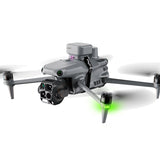
| Aircraft | Mapping drone with an RGB or multispectral camera | Spray drone with tank, pump, and nozzles or a spreader |
| What you deliver | Field maps and plant-health imagery for the grower or agronomist | Product on the crop, logged by field and rate |
| State pesticide license | Not needed for imagery alone | Required |
| Time to first paid job | Weeks | Months |
Scouting is where you tell the grower something he half suspected. Spraying is where you fix it, with a lot more forms.
How long does Part 137 approval take for drones?
14 CFR 11.63As of Nov 2026Source: FAA
Plan on at least four months. Federal rules ask you to file an exemption petition at least 120 days before it needs to take effect, and you can't apply for the Part 137 certificate until the exemption number arrives. Industry guides like AgDroneDirectory put the whole process at 90 to 180 days.
The FAA also says it is now sending requests for information to petitioners and running operational validations, after finding some exemption holders flying out of compliance. If you miss an RFI, the FAA closes your petition without a decision. File before your season starts, not during it, and check your email more often than the weather.
Can you still buy a spray drone in 2026?
PendingAs of Nov 2026Source: FCC
Yes, for now. Spray drones that already have FCC authorization can still be sold, and the one you own can keep flying. A pending FCC proposal could cut off future sales of foreign-made models, though.
On July 21, 2026, the FCC sought comment on barring continued import and marketing of foreign-made "military-grade" drones on its Covered List. One proposed category is drones that can dispense "economic poison" under FAA rules, which describes most crop sprayers. Comments closed September 2, and as of late November nothing has been adopted. If it's adopted as proposed, imports and sales would stop after 180 days, while drones already in use could keep flying. Blue UAS and Buy American-qualified drones stay exempt until January 1, 2028, per the FCC's July fact sheet. Our FCC Covered List post has the background.
Supply was already bumpy. The American Spray Drone Coalition estimates U.S. spray drone sales fell 59% from 2024 to 2025, which it blames on customs holds on DJI shipments, DroneXL reports. American-made aircraft grew to about a quarter of sales. Before you buy, ask where repair parts will come from two years out.
Is an agricultural drone spraying business profitable?
It can be, but rates are under pressure. The same ASDC survey found drone-sprayed acreage up almost 59% in 2025, to more than 16.4 million acres, and the FAA's count of approved Part 137 drone operators up 58% to 1,710. Over that stretch, the average price per sprayed acre fell from $21 to $13. The coalition blames operators spraying without a Part 137 certificate.
Those are industry survey numbers, but the direction is clear: more acres, more competitors, lower rates. Your edge is being the certified operator a grower can trust.
Should you start with crop scouting or spraying?
For most new pilots, start with scouting. You can take paid jobs under the certificate you already have, meet the growers in your area, and learn which crops and problems keep coming up before you commit to a spray rig and months of paperwork. A mapping-capable aircraft from our enterprise drones lineup usually covers it.
If you already have grower relationships or a state applicator license, spraying first can make sense. Either way, file the exemption petition early, since the FAA clock is the slowest part. When you're ready to compare aircraft, our agricultural drones collection is the place to start.
Tell us what's growing and how many acres.
Whether you're scouting first or going straight to spraying, browse our agricultural drones or call our team at 888-560-8737. We'll check FCC status and parts support on any model before you buy.
Frequently asked questions
Do I need Part 137 to spray crops with a drone?
Yes. Dispensing pesticides, fertilizer, or similar products by drone requires an FAA exemption and a Part 137 agricultural aircraft operator certificate, on top of your Part 107 certificate.
Do I need a special license to scout crops with a drone?
No. Your Part 107 certificate and drone registration cover scouting, as long as you are only collecting imagery and not dispensing anything.
How long does Part 137 take for drones?
Budget at least four months. The FAA asks for exemption petitions at least 120 days ahead, and the Part 137 certificate comes after the exemption.
Are spray drones over 55 pounds treated differently?
Yes. At 55 pounds or more, including the load, you operate under Parts 91 and 137 with an N-number instead of under Part 107 with an FA number.
Will the FCC ban my spray drone?
A pending FCC proposal targets future imports and sales of certain foreign-made drones, including spray models. As proposed, drones you already own could keep flying.
Do I need a state pesticide license too?
Yes. States require a commercial applicator license with an aerial category, and some, like California, add drone-specific certificates and county registration.

Leave a comment
This site is protected by hCaptcha and the hCaptcha Privacy Policy and Terms of Service apply.