Animal Recovery & Wildlife Support

Animal recovery missions use drones to locate lost pets, injured wildlife, or displaced livestock—often in low-visibility or difficult terrain. Thermal imaging allows responders to search large areas without disturbing animals or placing people at risk.
Animals appear differently on thermal than humans, often presenting as smaller, compact heat signatures that may move intermittently. Understanding behavior and terrain is just as important as interpreting imagery.
New operators must learn to fly in a way that minimizes stress to animals. The drone’s role is observation and location, not interaction.
Common animal recovery missions include:
- Locating lost pets
- Finding injured or trapped wildlife
- Livestock recovery after storms or fires
Successful missions prioritize calm, methodical searching and clear communication with ground teams.
Firefighting & Fireground Support

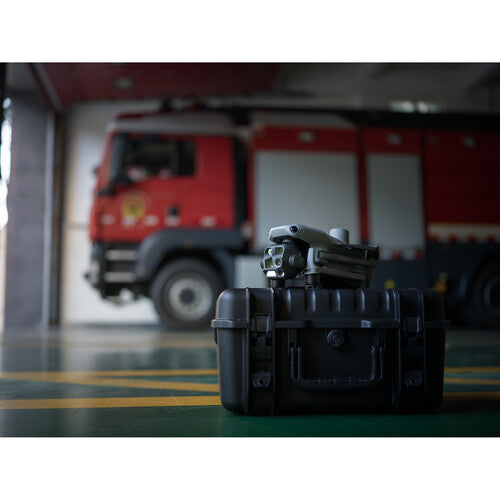
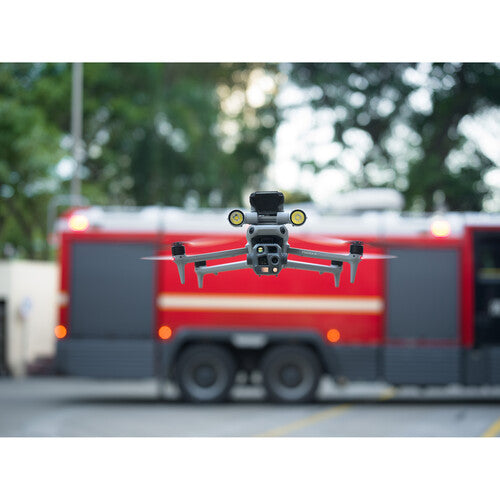
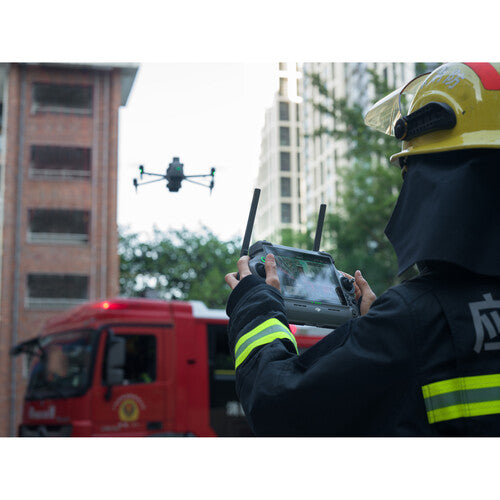
Fire agencies use the Matrice 4T to gain immediate situational awareness when visibility is compromised by smoke, darkness, or terrain. The drone is often launched within minutes of arrival and feeds critical information to incident command.
Thermal imaging allows responders to identify hotspots, track fire spread, and assess structural heat without placing personnel in dangerous positions. During overhaul, the drone helps confirm that fires are fully extinguished and not smoldering out of sight.
For new operators, one of the most important lessons is understanding what thermal imagery represents—and what it does not. Heat signatures support decision-making, but they do not replace ground confirmation or command judgment.
Typical firefighting drone uses include:
- Active fire and hotspot detection
- Monitoring fire spread and perimeter
- Post-suppression overhaul inspections
- Structural heat assessment
Fireground drone operations reward clear communication and discipline. The aircraft is a tool for the entire team, not just the pilot.
Public Safety & Law Enforcement

In public safety operations, the Matrice 4T is used to locate people, secure areas, and support emergency response with real-time aerial awareness. These missions often unfold quickly and under stress, making preparation and structured workflows essential.
Thermal imaging helps identify people who may be hidden by darkness, foliage, or debris, while the visual camera provides confirmation and context. The drone often acts as an overwatch asset, feeding information to officers or responders on the ground.
New operators must understand both the technical and legal responsibilities of public safety drone use. Knowing how to fly is only part of the job—knowing when and why to fly is equally important.
Common public safety applications include:
- Missing person searches
- Perimeter monitoring and security
- Disaster response and assessment
- Tactical or situational overwatch
The strongest operators balance urgency with restraint. Finding something is only valuable if it’s confirmed and communicated clearly.
Search & Rescue

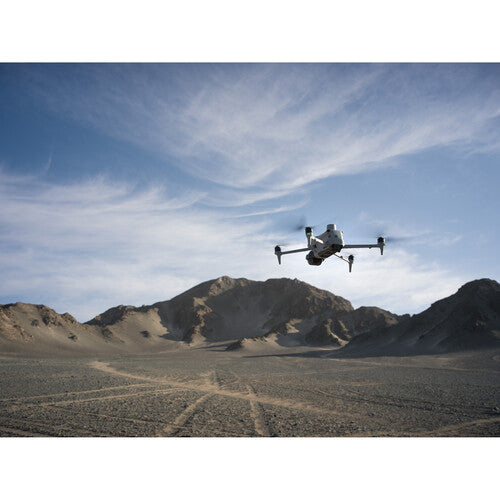
Search and rescue operations use the Matrice 4T to locate missing or endangered people quickly, often in darkness, rugged terrain, or disaster zones. Time and coverage are critical, and thermal imaging dramatically expands both.
SAR missions rely on disciplined search patterns, controlled flight speeds, and constant communication. Thermal imagery highlights possible targets, while the visual camera helps confirm identity and surroundings.
For new operators, the biggest challenge is avoiding fixation. Effective searches prioritize coverage and consistency over curiosity.
Common SAR missions include:
- Wilderness and urban searches
- Disaster response and recovery
- Nighttime operations
- Overwatch and guidance for ground teams
Success comes from teamwork, structure, and calm execution under pressure.
Dockside & Port Operations

Dockside drone operations focus on visibility, safety, and inspection in busy waterfront environments. Ports, marinas, and shipyards are complex spaces filled with metal structures, moving vessels, wind, and radio interference. The Matrice 4T is used here primarily to extend visibility into areas that are difficult, time-consuming, or unsafe to access by foot or boat.
Operators commonly support vessel inspections, nighttime security patrols, shoreline searches, and infrastructure monitoring. Thermal imaging is especially valuable around water, where warm objects stand out clearly against cooler backgrounds for a short period of time.
New operators quickly learn that dockside flying is less about speed and more about control. Wind changes rapidly near structures, GPS can degrade near steel, and reflections—both visual and thermal—can mislead inexperienced pilots. Successful missions rely on slow, parallel flight paths and conservative decision-making.
Common dockside applications include:
- Vessel hull and superstructure inspection
- Nighttime security and patrol operations
- Shoreline and pier searches
- Monitoring for heat anomalies or unauthorized activity
The most important habit to build is patience. Stable flight and situational awareness matter more here than covering ground quickly.
Powerline & Utility Inspections

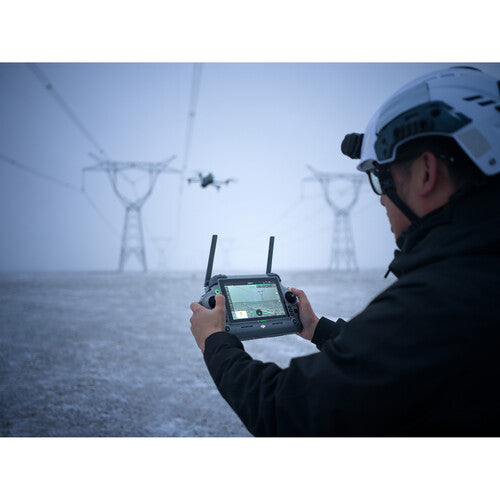
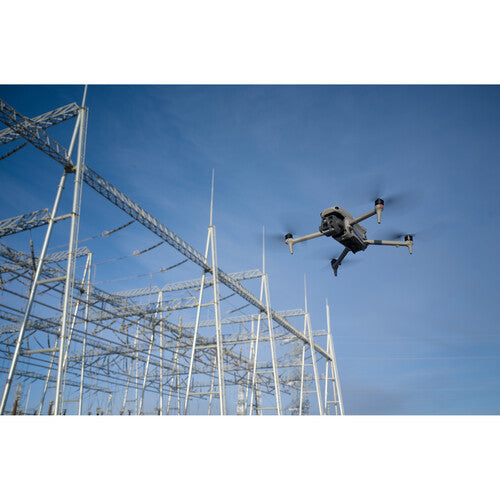
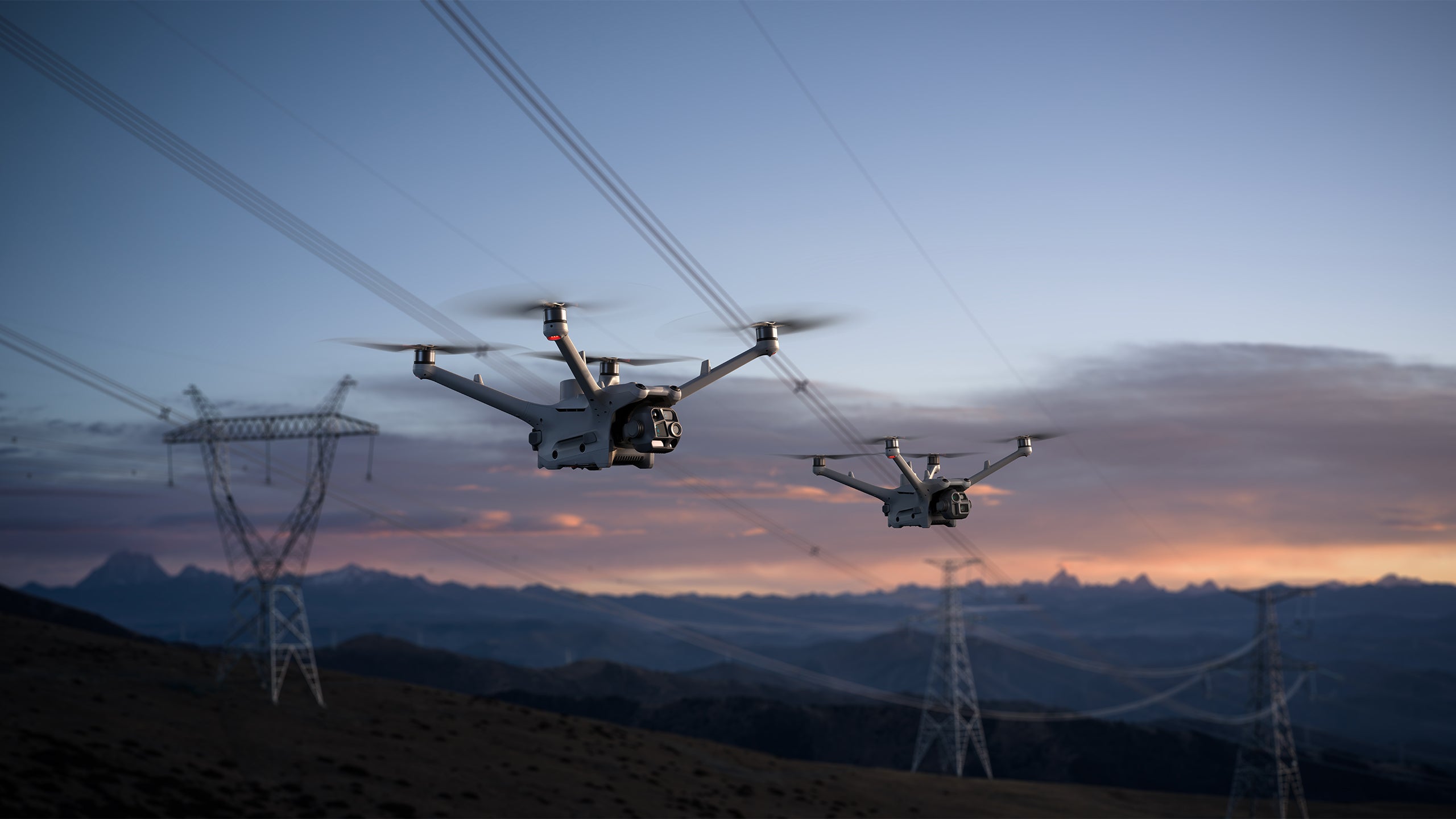
Utility inspections use drones to identify electrical and mechanical issues before they escalate into outages or failures. The Matrice 4T allows utilities to inspect energized assets safely and more frequently than traditional methods.
Thermal imaging is used to compare similar components—connectors, insulators, and lines—to identify abnormal heat patterns that suggest wear, damage, or imbalance. Visual imagery supports documentation and planning for maintenance crews.
Beginners often assume thermal inspections are about absolute temperature. In practice, they are about relative differences and repeatable trends over time.
Typical utility inspection tasks include:
- Detecting overheating connectors and components
- Inspecting transmission and distribution lines
- Monitoring substations and equipment
- Supporting preventative maintenance programs
Consistency matters more than detail. Reliable inspections come from repeatable flight paths and comparable conditions.
Facility Inspections

Facility inspections use the Matrice 4T to identify mechanical, electrical, and structural issues in commercial and industrial environments. These inspections improve safety, reduce downtime, and provide documentation for maintenance planning.
Thermal imaging helps identify overheating components, insulation failures, and inefficiencies, while visual imagery captures physical condition and context. Over time, repeated inspections create a valuable baseline for trend analysis.
For beginners, the challenge is learning to tell a clear story with the data. Raw images are less useful than well-documented findings tied to specific assets.
Common facility inspection targets include:
- Electrical panels and switchgear
- HVAC systems and rooftops
- Motors, bearings, and conveyors
- Structural elements and building envelopes
Good inspections focus on clarity, consistency, and actionable reporting.
Bridge Inspections

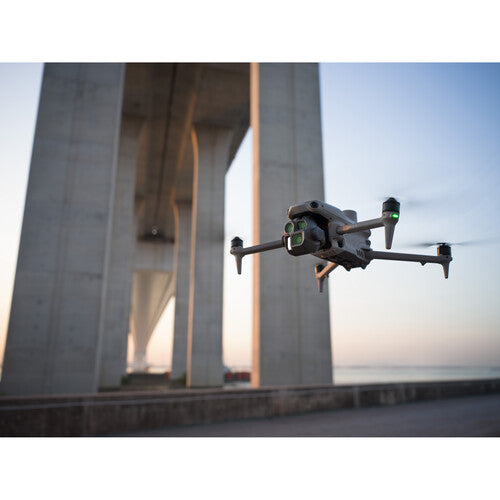
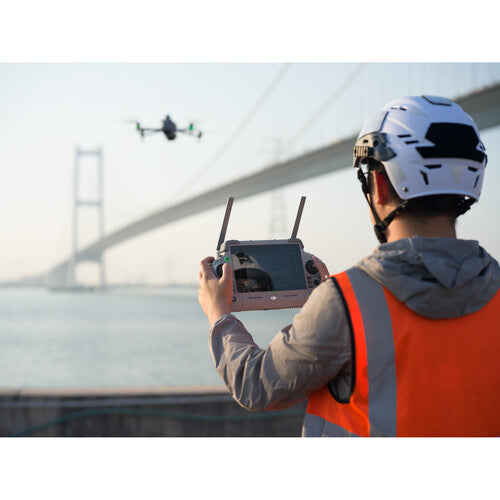
Bridge inspections focus on structural integrity, moisture intrusion, and component wear. The Matrice 4T allows inspectors to access decks, soffits, piers, and bearings without lane closures or specialized access equipment.
Thermal imaging supports the detection of subsurface issues such as delamination and moisture intrusion, while visual imagery documents cracks, spalling, corrosion, and alignment concerns.
New operators must learn to manage GPS limitations and airflow around large structures. Smooth, parallel flight paths are critical for usable data.
Typical bridge inspection tasks include:
- Deck and soffit inspection
- Bearing and expansion joint assessment
- Crack, spall, and corrosion documentation
- Thermal anomaly identification
The drone helps inspectors decide where closer, hands-on evaluation is needed.
Solar Inspections

Solar inspections use the Matrice 4T to identify failing panels, strings, and components in both rooftop and utility-scale installations. These inspections help maintain energy production and reduce long-term maintenance costs.
Thermal imaging reveals electrical faults that are invisible to the naked eye when panels are under load. Visual imagery confirms physical damage, shading, or soiling that may contribute to performance issues.
Beginners must learn that solar inspections are highly condition-dependent. Timing, sunlight, and consistency directly affect data quality.
Typical solar inspection findings include:
- Hot cells and hot strings
- Bypass diode failures
- Connector and junction overheating
- Physical panel damage
Solar inspections are about system health over time, not isolated defects.
Final Thought
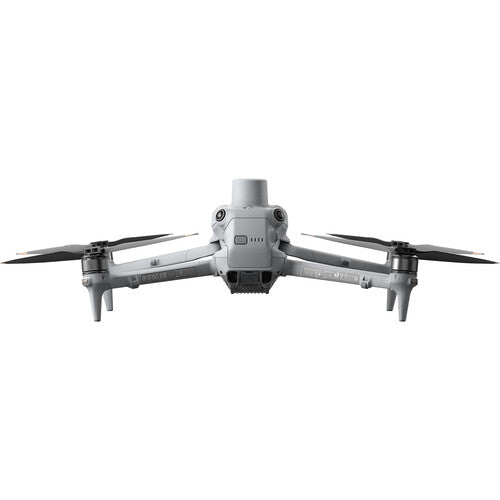
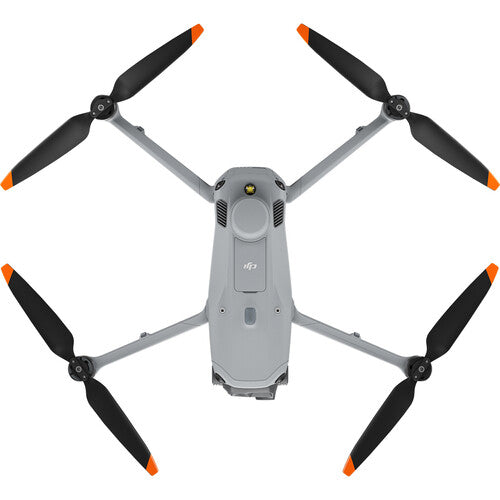
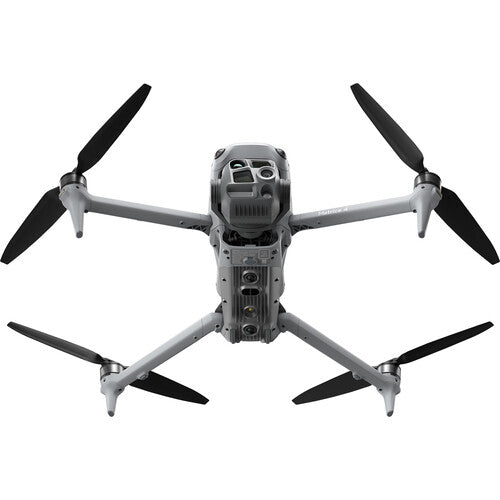
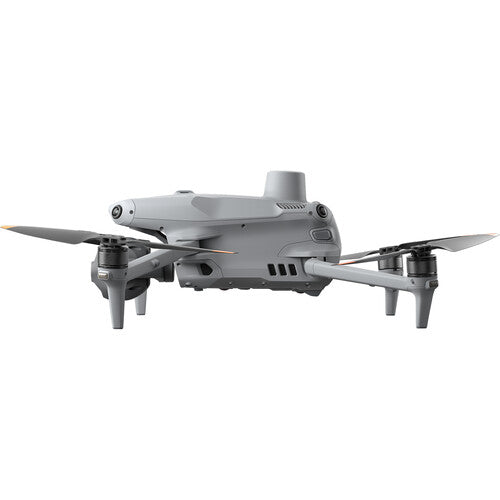
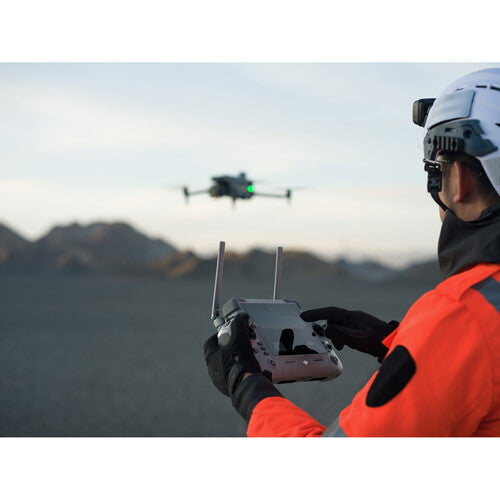
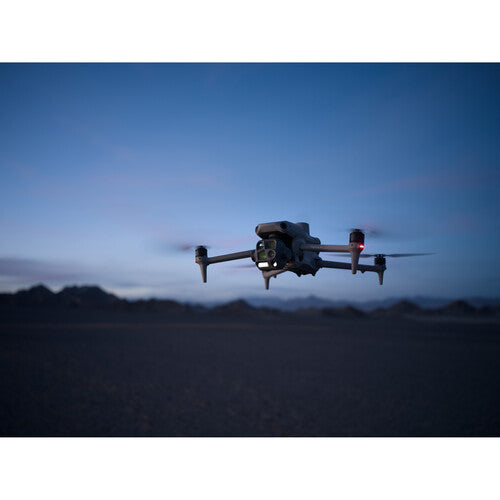
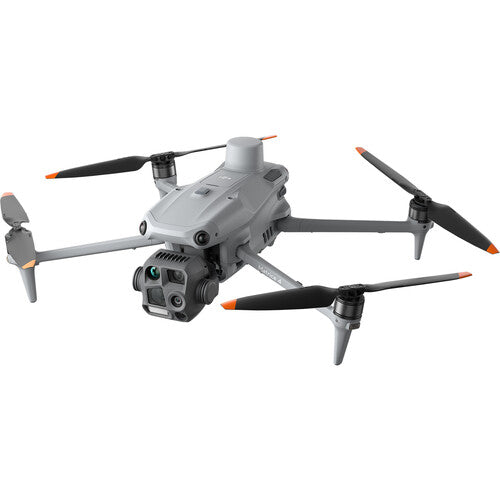
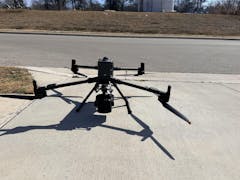
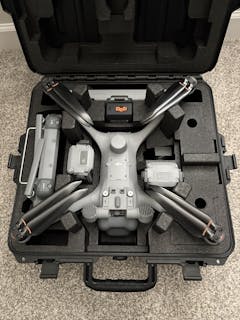
The DJI Matrice 4T is used across some of the most demanding professions in the world—inspection, emergency response, infrastructure maintenance, and recovery work where conditions are unpredictable and decisions matter.
Each section focuses on a specific line of work and explains the role the Matrice 4T plays in that environment. You’ll see common mission types, operational realities, and practical considerations that experienced operators learn over time. The emphasis is on awareness, consistency, and good judgment—not pushing limits or flying for the sake of flying.
Drones don’t replace professionals. They extend their reach, improve safety, and provide better information so people on the ground can make smarter decisions. When used thoughtfully, the Matrice 4T becomes more than an aircraft—it becomes part of the workflow.
Whether you’re exploring a new career path, supporting a team, or learning how drones fit into your operation, this guide is meant to give you a clear, grounded starting point.
Fly with purpose. Learn the mission. Build experience the right way.
Across every discipline, the Matrice 4T proves most valuable when paired with preparation, consistency, and sound judgment. The drone does not replace expertise—it supports it.
Learn the mission, respect the environment, and fly with purpose.